 The Aura advertising platform is now available to our clients
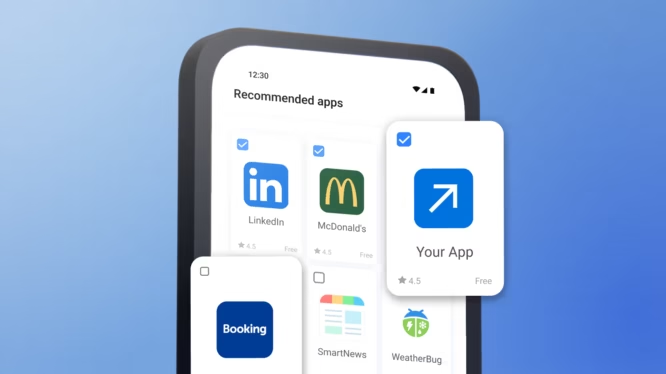
Aura is an advertising platform focused on promoting Android applications through native and interactive ad formats.
The Aura advertising platform is now available to our clients
Aura is an advertising platform focused on promoting Android applications through native and interactive ad formats.
← All posts
Published October 30, 2025
October 2025 Advertising Updates: Meta, Google, and TikTok Reinvent Ad Strategy
October 2025 brought a wave of major updates across Meta, Google, and TikTok Ads — all pointing in the same direction: automation, creative diversity, and stricter data rules.
If you still manage campaigns manually, it’s time to rethink your playbook — algorithms are now doing the heavy lifting.
Meta Ads: “Andromeda” turns creatives into your new targeting
Key updates:
-
Meta rolled out its new delivery engine “Andromeda”, shifting ad performance away from manual targeting toward broad audiences + creative diversity. Fewer audience splits. More creative combinations.
-
Lead Ads policies have changed. Advertisers must now clearly define data-usage purposes and store user consents transparently.
-
Threads Ads get vertical. The platform now supports a 4:5 ratio for single-image and video creatives — perfect for mobile-first storytelling.
-
Starting December 2025, Meta AI conversations will inform personalization across its ad products.
What it means:
-
Your creative library is now your real targeting. Build 10–20 ad variations per message.
-
Audit all Lead Ad forms — update consent language, privacy policies, and CRM mapping.
-
Experiment with 4:5 visuals for Threads and Reels — vertical is the new default.
-
Expect smarter (and stricter) personalization rules — AI will decide who sees your content.
Google Ads: More automation, more rules
Key updates:
-
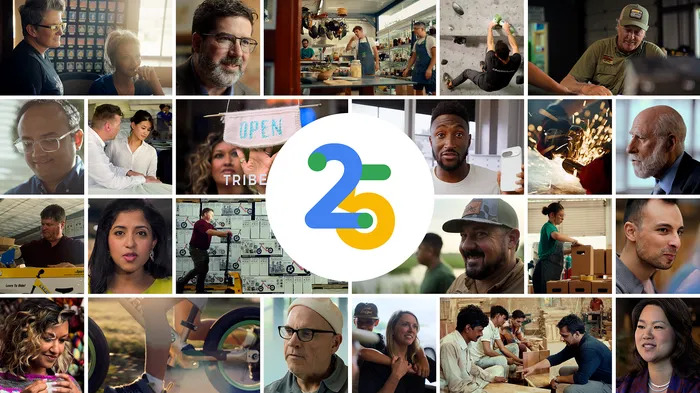
Google Ads turns 25 — and celebrates by going all-in on AI automation. New “Investment Strategy” tab recommends budget changes to maximize ROI.
-
New “Dishonest Pricing” policy takes effect October 28, 2025. Advertisers must disclose all hidden fees and extra costs — misleading offers risk suspension.
-
Message extensions (Message Assets) now require stricter verification — active from October 30.
-
Performance Max now supports audience exclusions — giving advertisers more control over automation.
What it means:
-
Let automation work — but guide it. Focus on feed quality, not manual bidding.
-
Review every pricing claim — transparency is mandatory.
-
Check message extensions: phone numbers, business identity, verification.
-
Exclude unprofitable audiences to clean up Performance Max signals.
TikTok Ads: Smart+ and AI-driven creativity
Key updates:
-
TikTok launched Smart+ Ad Suite, a modular automation tool offering three levels of control: full-auto, hybrid, or manual.
-
Integrated AI-powered creative generation — the platform can now auto-produce short-form videos and creative variations based on predicted performance.
-
Upgraded attribution and analytics, including external tracking integrations (like Google Analytics) and a new “Attribution Portfolio.”
-
New Travel Ads solution targets tourism and booking sectors — built for performance marketing.
What it means:
-
TikTok is no longer just a brand channel — it’s a serious performance platform.
-
Test Smart+ automation to optimize delivery while retaining creative control.
-
Invest in dynamic creatives — TikTok’s AI performs best with diverse assets.
-
For travel or e-commerce brands: activate Travel Ads and integrate with your booking flow.
We’re witnessing the great handover — from human-driven media buying to machine-optimized advertising. The winners won’t be those who control every parameter, but those who feed algorithms with high-quality creative and clear signals. Your role as a marketer is shifting: from operator to strategist.
- Madina Korgoloeva, senior account manager

What to do next
-
Audit your campaigns — check forms, creative banks, and data policies across Meta, Google, and TikTok.
-
Create diversity — aim for at least 10 creatives per message, per platform.
-
Stay compliant — review pricing, consent, and ad policies monthly.
-
Automate wisely — simplify account structures; let algorithms learn.
-
Measure holistically — align attribution across channels to see the real ROI.
Related materials
The Aura advertising platform is now available to our clients
Aura is an advertising platform focused on promoting Android applications through native and interactive ad formats.